
Investing in Brazil can be extremely profitable. However, a large share of foreign investors lose money (sometimes a lot of money) for one very simple reason: they make decisions without truly understanding the market.
The problem is not the country, but the way they invest. In areas such as Maceió, for example, it is possible to achieve rental yields between 5% and 10% when the investment is properly structured. Yet most investors fail to reach this level simply because they make avoidable mistakes.
In this article, we go through the 5 most critical mistakes, and more importantly, completely avoidable ones.
Mistake #1: Choosing the wrong developer
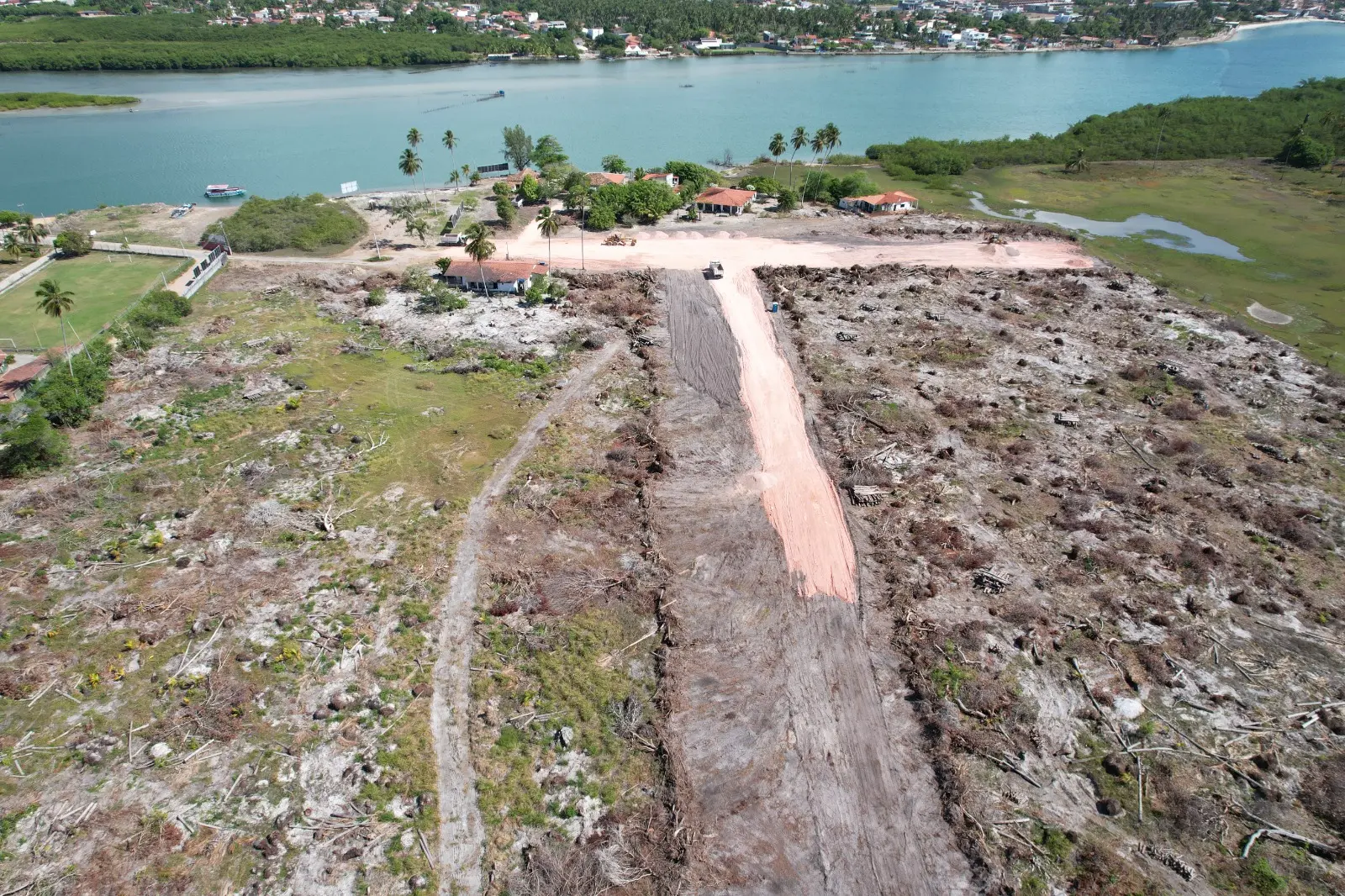
This is the mistake that can cost the most, and the one most investors do not see coming.
Many people buy based on an attractive project, without realizing that by investing in a property, they are also trusting a construction company. And misplaced trust can be very expensive.
It is not uncommon, for example, to see projects delayed by 12 to 24 months. Some take even longer, especially when they are poorly structured or undercapitalized. In addition, the construction index (INCC), which tracks material costs, can increase by around 5% to 8% per year. This means that every month of delay mechanically increases the total project cost.
Personal experience
For one of our clients, we reviewed a contract that initially looked fine. But after a deeper legal analysis by our lawyer, particularly regarding the developer’s low share capital and legal history, we identified repeated delays in their previous projects.
Combined with the fact that the developer was relatively unknown and had only been operating for a few years, the risk was too high. The client therefore decided to walk away from the deal. A few years later, the company went bankrupt.
This type of information is not easily accessible to a foreign investor on their own, but it can completely change the outcome of an investment.
Mistake #2: Overpaying

A foreign investor usually has no local price reference, and some projects are clearly positioned differently depending on the target audience. As a result, you may overpay without even realizing it.
In cities like Maceió, for example, price differences between comparable projects can reach 20% to 40%, depending on location, developer, and actual quality.
The issue is that an overpaid purchase destroys your return from the start: a property bought 15% too expensive can turn a 7% gross yield into a significantly lower real return, even before considering taxes and management costs.
Personal experience
We had a client who immediately fell in love with a beachfront apartment: balcony, two bedrooms, and a building offering a swimming pool, gym, bar, games room, and more.
The seller, aware the buyer was foreign, listed the property at €180,000. In reality, we knew this type of property was worth closer to €130,000.
When we stepped in, using precise market knowledge, comparable developments, rental yield data, and appreciation potential, we negotiated directly with the seller and brought the price down to €120,000, on the condition of a cash purchase (instead of staggered payments, which is common in Brazil), which was not an issue for the buyer.
Without local market knowledge, the client would have overpaid by 50%.
Mistake #3: Neglecting property management
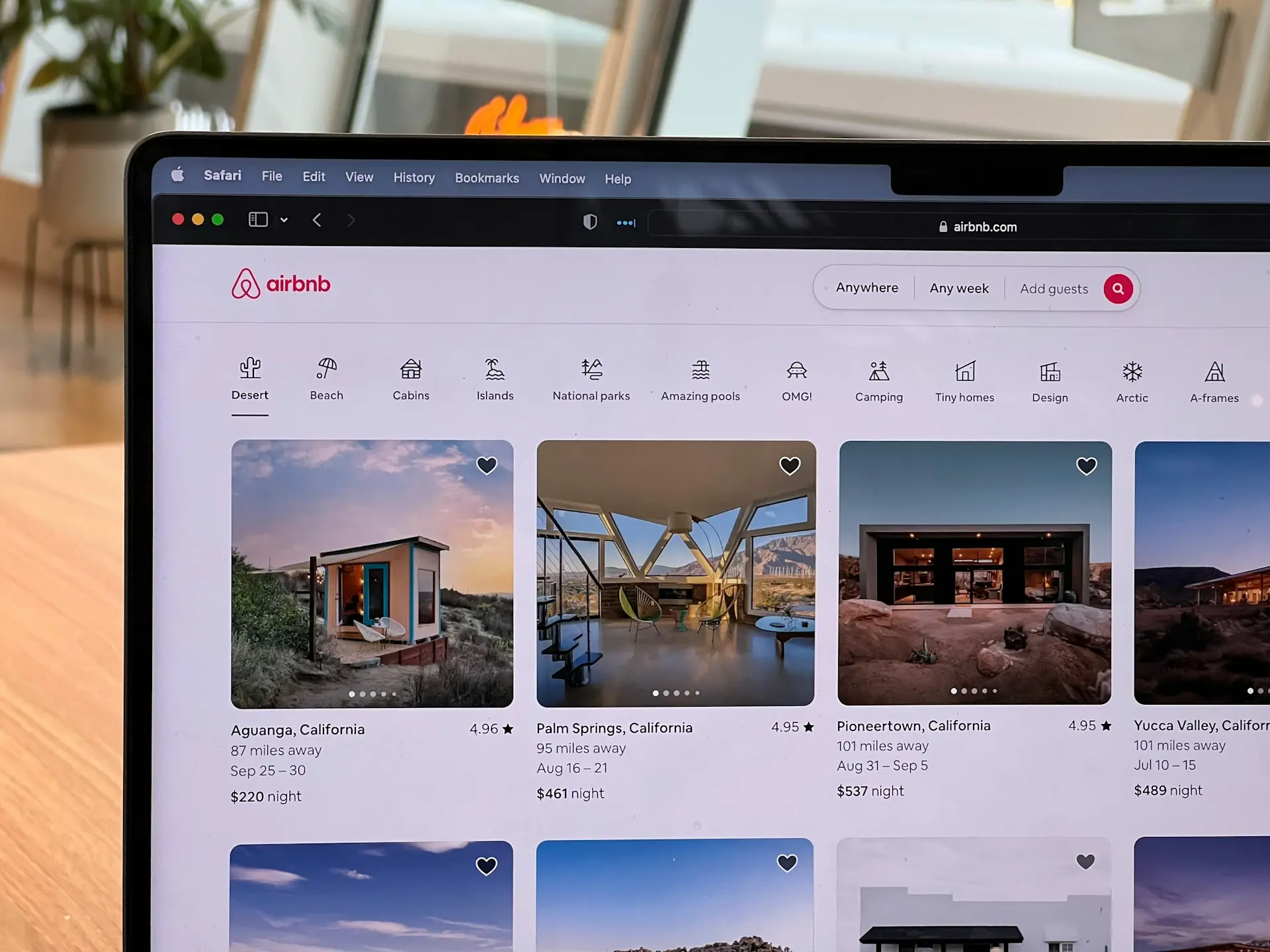
Poor management can lead to 1 to 2 months without tenants per year, which can reduce returns by more than 10%.
In practice, without professional management:
- listings are not attractive
- tenants are poorly selected
- rental pricing is not optimized
- the property may be poorly maintained
- income becomes irregular
Personal experience
One of our clients was struggling to rent out their property compared to other apartments listed on platforms such as Airbnb and Booking. This was mainly due to a lack of reviews, unattractive photos (lacking order, lighting, and appeal), and poor pricing adjustments depending on seasonality and competition.
When we took over management, leveraging our “Superhost” status and strong reviews, we implemented several improvements: dynamic pricing adjustments, new professional photos, promotional offers for first guests, and personalized touches (welcome messages, chocolates, bottled water). We also ensured fast response times to optimize the response rate.
As a result, guests began leaving detailed reviews instead of generic comments, demand increased, and the platform started ranking the listing higher among top-performing properties.
Mistake #4: Underestimating taxation
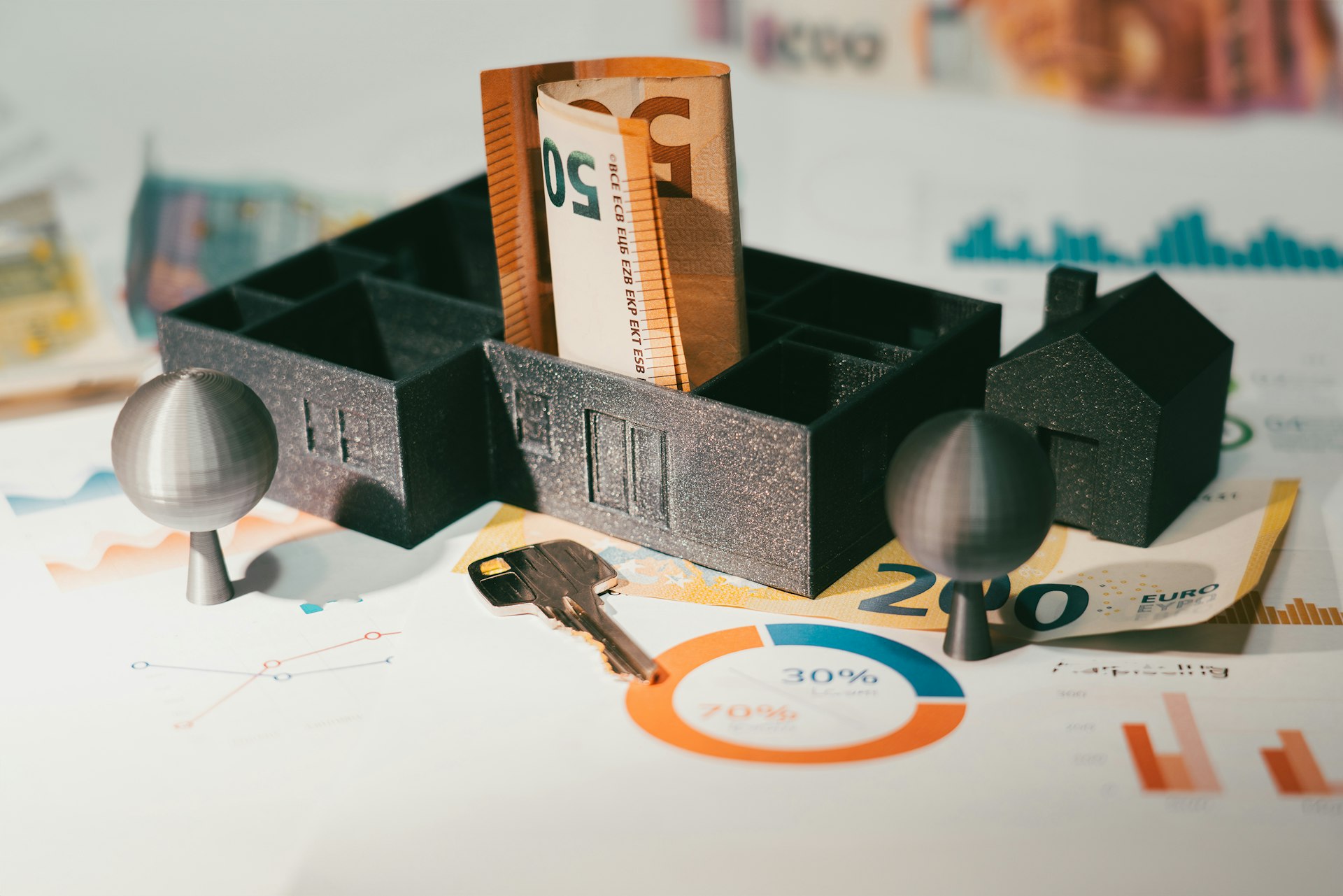
Many investors focus on gross yield, only to end up with a much lower net return. In some cases, rental income taxation can reach up to 27.5%.
In Brazil, taxation depends on several factors: the purchase structure, the type of income, and the investor’s tax status.
For example: a 7% gross yield can easily drop to 4%–5% net after management fees, expenses, and taxes.
As a foreign investor, optimizing taxation is difficult because the rules are relatively rigid. However, it is essential to clearly understand how much tax you will pay, both in Brazil and in your country of tax residence, before purchasing a property. This understanding will determine whether an investment is truly profitable or not.
Mistake #5: Choosing the wrong type of property
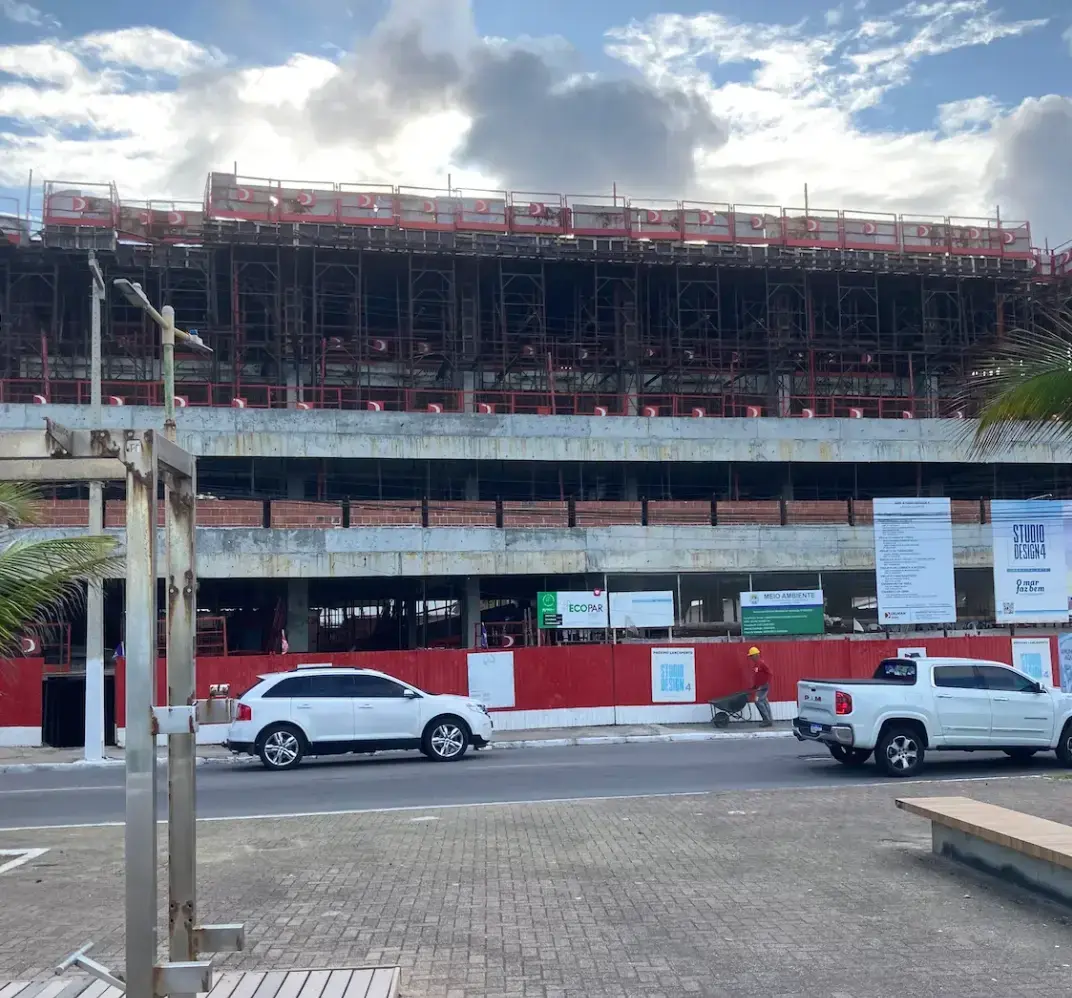
Not all real estate serves the same purpose: short-term rental, long-term rental, capital appreciation, or a combination of these.
For example, a high-end one-bedroom beachfront apartment is ideal for medium- to long-term resale, provided the purchase price is aligned with the market and the neighborhood is improving.
A property under construction with at least one bedroom is ideal for resale upon delivery, provided you buy early in the project and properly analyze the area’s growth potential.
A property under construction with installment payments, including after delivery, can be an excellent cash-flow strategy, since rental income can in some cases cover a large portion of the monthly payments. However, post-delivery interest must be taken into account.
On the other hand, if the goal is purely short-term rental (Airbnb, Booking), a studio is often the most profitable option: lower purchase price and strong demand (as long as the city is touristic, of course).
If the goal is a mix between short and long term, a one-bedroom apartment is usually the best compromise, as it attracts both seasonal and long-term tenants while remaining easy to resell later.
For higher-risk profiles, it is possible to invest in promising emerging areas still under development. In these cases, performance often depends on public infrastructure projects (such as the construction of quality roads to improve access). Prices are much lower and the appreciation potential can be very high, but the risk of delays or stagnation is also greater, especially if public infrastructure projects are delayed.
Conversely, if you prefer more security, it is better to invest in an already developed area, but in a growing neighborhood that attracts both tourists and residents.
Finally, if you intend to use the property yourself for holidays, the choice should balance rental yield and emotional appeal.
In short, as you can see, there are many strategies depending on your budget and objectives. And each strategy has its ideal property type. We regularly see investors choose a property based purely on emotion or aesthetics, without analyzing real rental demand, occupancy rates, or tenant profiles in the area. In several cases, we had to redirect clients toward completely different properties than their initial choice, resulting in better yields, higher liquidity, and more stable occupancy.
Conclusion
Most foreign investors lose money for one simple reason: they make decisions alone, without a complete understanding of the market. Those who succeed are not luckier, they are simply better guided.
We support international investors end-to-end:
- project selection
- legal and developer analysis
- administrative support (CPF and banking)
- visa assistance
- rental management
Want to invest in Brazil?
Discover how we support our clients, step by step, from the initial reflection to property management